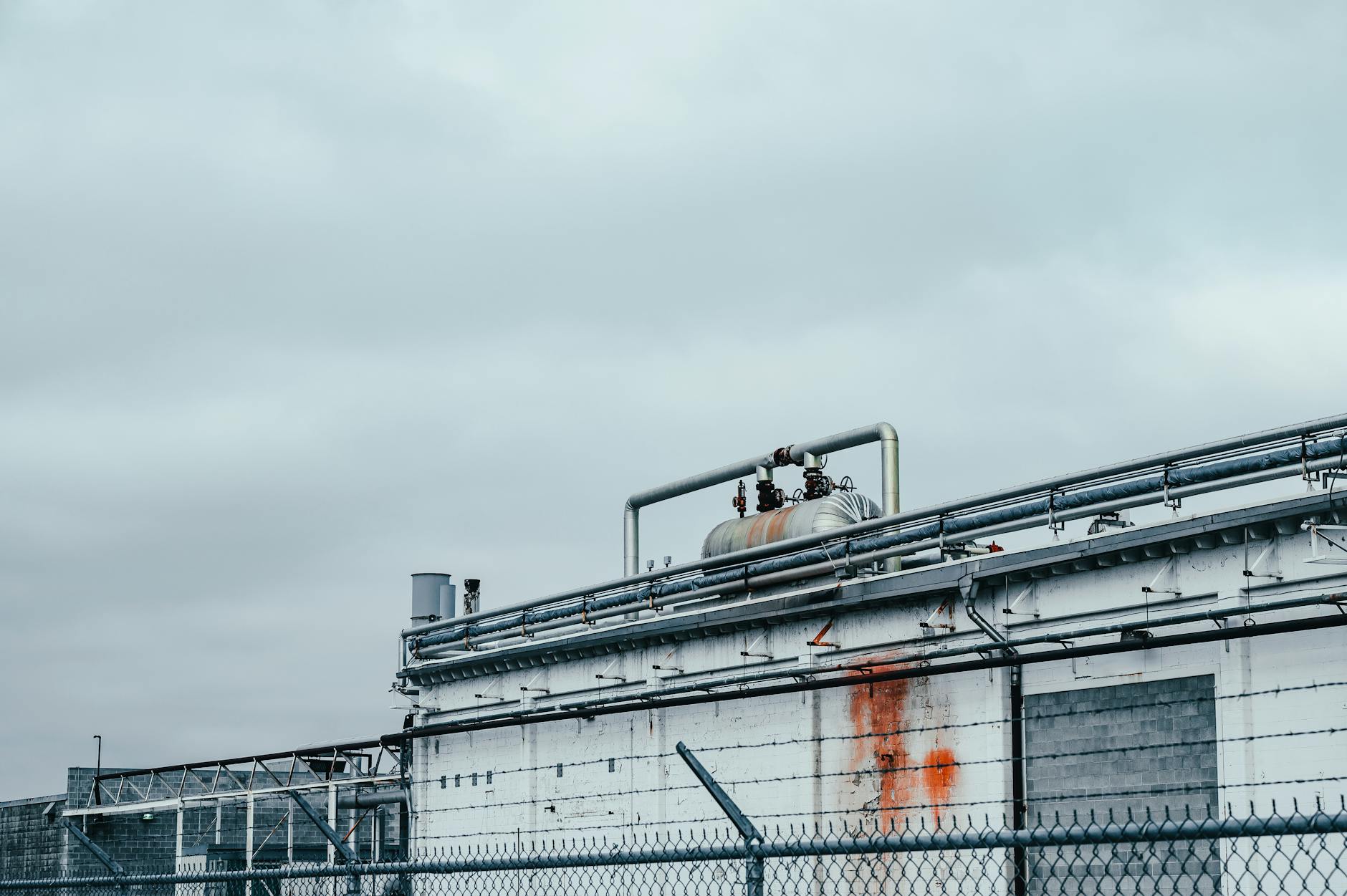
Mesothelioma Lawyer Ohio: Asbestos Exposure at TRW Inc. — Euclid, Ohio


Urgent Filing Deadline Warning for Ohio residents

If you or a loved one worked at TRW Euclid and have been diagnosed with mesothelioma, lung cancer, or asbestosis, you need to speak with a Ohio asbestos attorney today — not next week. Ohio law gives you **2 years from the date of diagnosis, as established under Ohio Rev. Code § 2305.10. That window sounds generous. It is not. Building a mesothelioma case requires tracking down decades-old employment records, identifying product manufacturers, locating witnesses, and filing claims with multiple asbestos bankruptcy trusts — work that takes months even when started immediately. Do not assume you have time to wait. Call now for a confidential, no-cost consultation.


If You Worked at TRW Euclid: Understanding Your Asbestos Exposure Risk

Workers at TRW Inc.’s Euclid, Ohio facility — particularly those in maintenance, skilled trades, and operations — may have been exposed to asbestos-containing materials used throughout the plant during mid-twentieth century manufacturing operations. Workers from that era are now being diagnosed with mesothelioma, lung cancer, and asbestosis decades after the fact. This page covers what reportedly happened at the facility, which job roles carried the highest alleged exposure risk, and what legal options remain available to Ohio residents. Understanding your local legal context — including Ohio mesothelioma settlement procedures, Asbestos Ohio eligibility, and Ohio asbestos statute of limitations requirements — is essential to protecting your rights.


TRW Euclid: The Facility and Its History

Background

TRW Inc. operated a major manufacturing campus in Euclid, Ohio — a northeast Ohio industrial city on Lake Erie, just east of Cleveland. The facility produced chassis components, engine parts, steering systems, fasteners, and aerospace hardware. TRW grew from two predecessor companies — Thompson Products and Ramo-Wooldridge — which merged in 1958. Northrop Grumman acquired TRW in 2002. The Euclid campus was a major regional employer for decades, reportedly operating with hundreds — and at peak periods, thousands — of workers in production, maintenance, skilled trades, engineering, and administrative roles.

Why Asbestos-Containing Materials Were Used Here

From the 1940s through the early 1980s, asbestos-containing materials were standard in heavy industrial construction and manufacturing. Facilities like TRW Euclid reportedly used them because they offered heat resistance exceeding 1,000°F, fire suppression properties required under federal safety codes, acoustic dampening in large manufacturing spaces, electrical insulation in high-voltage environments, and mechanical durability that extended component service life. A plant running industrial furnaces, boilers, steam lines, heat treatment equipment, and high-voltage electrical systems would have incorporated asbestos-containing materials throughout its building systems, mechanical insulation, fireproofing, and manufactured components.

The Regulatory Gap: Why Workers Faced Unprotected Exposure

OSHA did not establish enforceable permissible exposure limits for asbestos until the 1970s, and early enforcement was inconsistent. EPA’s NESHAP abatement requirements did not become routine practice until the 1980s. Workers employed at TRW Euclid from the 1940s through the early 1980s may have spent years — sometimes entire careers — working around asbestos-containing materials that were installed, repaired, removed, or disturbed without respirators and without any warning of the health consequences.


Timeline of Asbestos-Containing Material Use at TRW Euclid

1940s–1950s: Construction and Installation

Wartime and postwar industrial expansion drove rapid construction throughout the Euclid corridor. Building systems reportedly incorporated asbestos-containing materials at every level:

  • Boiler room insulation allegedly supplied by Johns-Manville and Owens-Illinois
  • Pipe insulation in mechanical rooms, including Kaylo brand products (Owens-Illinois)
  • Spray-applied structural fireproofing from Armstrong World Industries
  • Floor and ceiling tiles, including Gold Bond and Sheetrock brand products

1950s–1960s: Peak Operational Use and Maintenance Exposure

This period represents the highest-volume industrial asbestos use in American manufacturing history. Maintenance trades at TRW Euclid may have worked daily with:

  • Pipe insulation from Johns-Manville and Owens-Illinois (including Kaylo brand)
  • Boiler block insulation and refractory materials from Combustion Engineering
  • Gaskets from Garlock Sealing Technologies and Johns-Manville
  • Asbestos-containing packing material
  • Brake and clutch components from Eagle-Picher and other suppliers
  • Asbestos-wrapped electrical wiring and arc barriers allegedly supplied by manufacturers including Crane Co.

1960s–1970s: Continued Use Despite Known Hazards

Medical literature linking asbestos exposure to mesothelioma was accumulating throughout the 1960s. Internal documents from Johns-Manville and Owens-Illinois — later produced in litigation — showed those companies were aware of the health hazards well before any public disclosure. Asbestos-containing materials reportedly continued in use at facilities like TRW Euclid through this period, with products from Armstrong World Industries, Georgia-Pacific, and Celotex allegedly installed with little or no worker notification of the associated risks.

1970s–Early 1980s: Regulatory Pressure and Slow Phase-Out

OSHA promulgated its first asbestos standard in 1971, with subsequent revisions. Removal and encapsulation of existing asbestos-containing materials in large industrial facilities moved slowly. Workers handling renovation, repair, and maintenance during this transition period — including contracted insulators and pipefitters — may have been exposed to disturbed asbestos-containing materials from Johns-Manville, Owens-Illinois, Armstrong World Industries, and W.R. Grace.

1980s–Present: Renovation, Demolition, and Legacy Exposure

Contractors brought in for later renovation and demolition work may have encountered legacy asbestos-containing materials in older sections of the facility. Products from Crane Co., Combustion Engineering, and Georgia-Pacific installed decades earlier reportedly remained in place until disturbed. Ohio EPA and federal EPA NESHAP regulations require notification and proper abatement handling when such materials are encountered.


Job Roles with the Highest Alleged Asbestos Exposure

Any worker present at TRW Euclid during the relevant period may have been exposed to asbestos-containing materials. Certain trades, however, had direct, repeated, daily contact with those materials by the nature of the work itself.

Insulators and Insulation Workers

Insulators cut, fit, and applied asbestos-containing pipe insulation as core job tasks. Products reportedly used included Kaylo (Owens-Illinois), Thermobestos, and Aircell from Johns-Manville and Armstrong World Industries, along with boiler block insulation from Combustion Engineering. Cutting asbestos-containing pipe insulation generates substantial airborne fiber concentrations — fibers invisible to the naked eye, inhaled without any sensation, and capable of causing mesothelioma decades later. Workers affiliated with Heat and Frost Insulators unions, such as Local 1 in Missouri, who were assigned to TRW Euclid or comparable industrial facilities are alleged to have sustained among the highest occupational asbestos exposures of any trade.

Pipefitters and Steamfitters

Pipefitters who maintained, repaired, or installed steam lines, process piping, and hydraulic systems at the facility may have been exposed to:

  • Asbestos-containing pipe covering from Johns-Manville, Owens-Illinois (Kaylo brand), and Armstrong World Industries — routinely removed to access pipe joints and fittings
  • Asbestos-containing gaskets from Garlock Sealing Technologies and Johns-Manville used in flanged connections — cutting and wire-brushing generated respirable asbestos dust
  • Asbestos-containing flexible hose assemblies and packing materials from Combustion Engineering and other suppliers

Boilermakers

Workers who built, maintained, and repaired industrial boilers may have been exposed to:

  • Asbestos-containing block insulation lining boiler interiors from Combustion Engineering
  • Asbestos-containing rope packing used to seal boiler access ports, supplied by Johns-Manville and Garlock Sealing Technologies
  • Asbestos-containing refractory cements and castable materials from Combustion Engineering
  • Asbestos-containing joint compounds

Boiler interiors are confined spaces. Repair and overhaul operations inside them allegedly created conditions for concentrated asbestos fiber exposure with no dilution from ambient air. Boilermakers Local 27 in Missouri may have members who worked at this or comparable facilities under similar conditions.

Electricians

Industrial electricians at TRW Euclid may have encountered asbestos-containing materials in multiple forms:

  • Older electrical wire insulation with asbestos components from manufacturers including Crane Co.
  • Asbestos-containing arc barriers in electrical panels and switchgear
  • Asbestos-containing backing boards and mounting materials in switchgear installations
  • Asbestos-containing fireproofing from Armstrong World Industries and W.R. Grace, disturbed when drilling through walls, floors, and ceilings

Electricians frequently characterize their asbestos exposure as secondary — they weren’t the ones cutting pipe insulation. That distinction has not protected them from mesothelioma diagnoses, because asbestos fibers displaced by nearby trades settle slowly and remain airborne long after the primary work stops.

Millwrights and Maintenance Mechanics

General maintenance personnel worked across the entire facility and may have encountered asbestos-containing materials in virtually every form: pipe insulation from Johns-Manville, Owens-Illinois, and Armstrong World Industries; boiler insulation and refractory products from Combustion Engineering; gaskets and packing from Garlock Sealing Technologies and Johns-Manville; and floor and ceiling tiles from Gold Bond, Celotex, and Georgia-Pacific. Working across the whole plant rather than in a single area means cumulative exposure from multiple product lines and multiple manufacturers — a factor that matters significantly in trust fund claim calculations.

Machinists and Production Workers

Production workers on the plant floor had less direct contact with insulation and mechanical systems, but proximity to mechanical rooms, boiler areas, and utility corridors meant airborne asbestos fibers may have migrated into production spaces. Some manufactured components — including brake shoes from Eagle-Picher, clutch facings, and gaskets from Garlock Sealing Technologies — were made with asbestos-containing materials during certain production periods, potentially exposing workers who handled or finished them.

Construction and Renovation Contractors

Outside contractors brought in for construction, renovation, or major repair projects at TRW Euclid may have encountered asbestos-containing materials embedded in the facility’s building fabric, including products from Armstrong World Industries, Johns-Manville, Owens-Illinois (Kaylo brand), Georgia-Pacific, and Celotex. Demolition of older walls, removal of pipe insulation, and structural work on buildings dating to the 1940s and 1950s allegedly created substantial asbestos exposure risks for contractor workers who may never have been told that hazardous materials were present in the building.

Supervisors and Foremen

Supervisory personnel who oversaw skilled trades work may have sustained significant asbestos exposure without ever touching the materials themselves. Prolonged presence in confined spaces — boiler rooms, pipe chases, mechanical rooms — during insulation work, boiler overhauls, or renovation projects put supervisors in the same contaminated air as the workers doing the cutting and removal. In mesothelioma litigation, “bystander exposure” claims are well-established and compensable.


Ohio asbestos Statute of Limitations

For Ohio residents diagnosed with mesothelioma, lung cancer attributable to asbestos, or asbestosis, **Ohio’s asbestos statute of limitations is 2 years from the date of diagnosis, as established under Ohio Rev. Code § 2305.10. This discovery rule means the clock does not start when exposure occurred — it starts when the disease is med


For informational purposes only. Not legal advice. No attorney-client relationship is created by reading this page. © 2026 Rights Watch Media Group LLC — Disclaimer · Privacy · Terms · Copyright