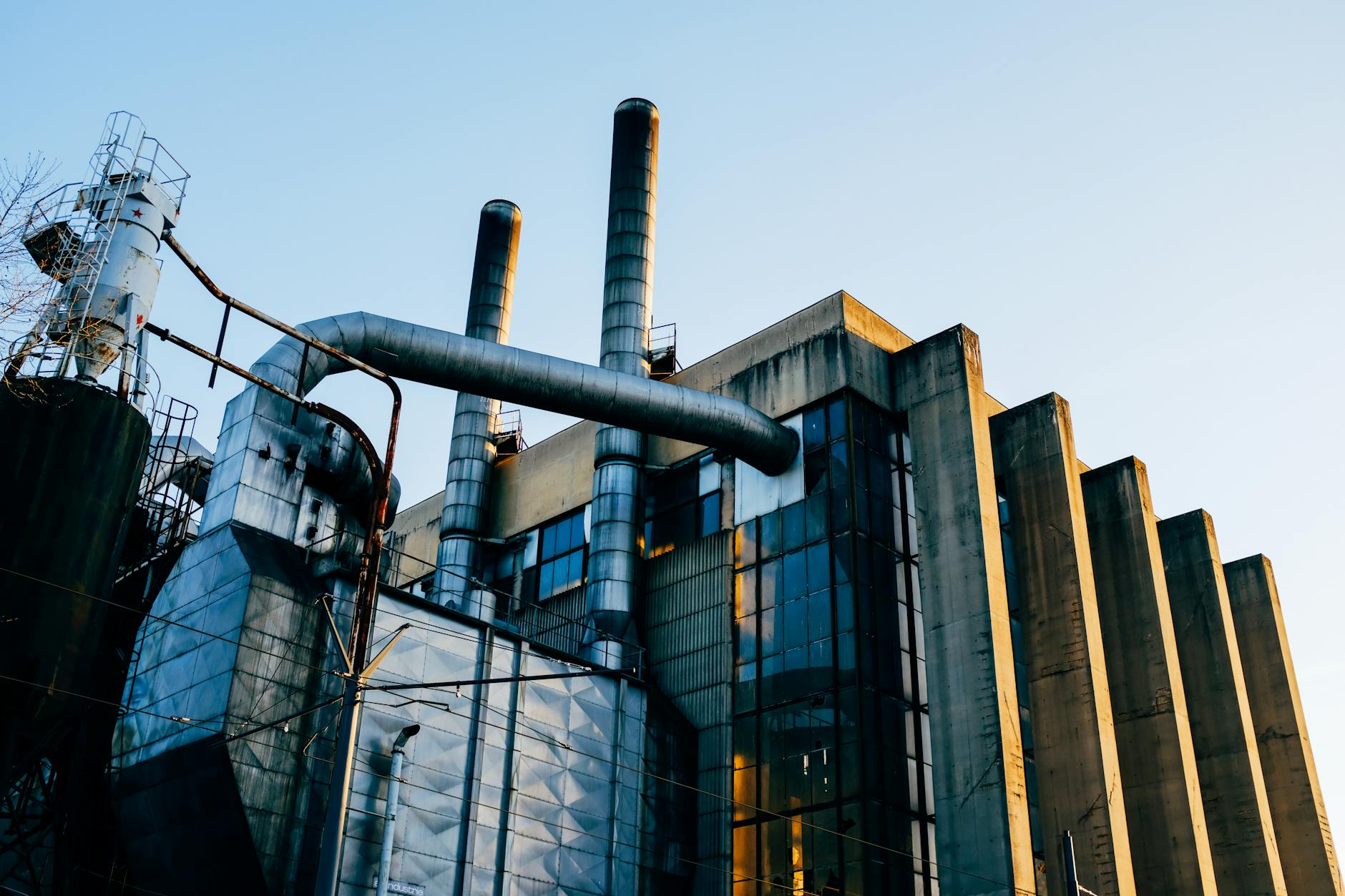
Asbestos Exposure at Cleveland-Cliffs Toledo DRI plant — Toledo, OH | Cleveland-Cliffs Inc: Former Worker Claims

For Former Employees, Trades Workers, and Families Facing Mesothelioma or Asbestosis


Urgent Filing Deadline: Ohio’s two-year Window

If you or a family member has been diagnosed with mesothelioma, asbestosis, or another asbestos-related disease, Ohio law gives two years from the date of diagnosis to file a personal injury claim under Ohio Rev. Code § 2305.10. That window closes faster than most people expect. If you miss it, you lose your right to compensation — permanently. Call an experienced Ohio asbestos attorney now.


If You Worked at Cleveland-Cliffs Toledo, You May Have Been Exposed to Asbestos-Containing Materials

The Cleveland-Cliffs Toledo Direct Reduction Iron (DRI) Plant ran one of the most thermally demanding industrial processes in Ohio. Insulators, pipefitters, boilermakers, electricians, and maintenance workers at this facility may have been exposed to asbestos-containing materials over the course of their careers. Asbestos-related diseases — mesothelioma, asbestosis, lung cancer — can take 20 to 50 years to appear. A diagnosis today may trace directly to work performed decades ago. This guide explains the facility’s history, the alleged exposure risks, and exactly how to pursue compensation.


Table of Contents

  1. What the Cleveland-Cliffs Toledo DRI Plant Was
  2. Why Asbestos-Containing Materials Were Used at DRI Facilities
  3. Timeline of Asbestos-Containing Material Use at the Facility
  4. Who Was at Greatest Risk: Trades and Job Titles
  5. Asbestos-Containing Products Allegedly at the Facility
  6. How Asbestos Exposure Reportedly Occurred
  7. Mesothelioma, Asbestosis, and Lung Cancer: What You Need to Know
  8. Latency Period: Why Symptoms Appear Decades Later
  9. Missouri Asbestos Statute of Limitations: Act Now
  10. Compensation Available: Asbestos Trust Funds and Settlements
  11. How a Ohio Asbestos attorney Can Help
  12. Filing Your Asbestos Claim: Missouri Legal Process
  13. Frequently Asked Questions
  14. Contact an Asbestos Attorney Today

What the Cleveland-Cliffs Toledo DRI Plant Was

Facility Overview

  • Facility Name: Cleveland-Cliffs Toledo Direct Reduction Iron (DRI) Plant
  • Location: Toledo, Lucas County, Ohio
  • Operator: Cleveland-Cliffs Inc. (formerly Cliffs Natural Resources)
  • Industry: Primary Metal Industries / Iron Ore Processing

How the Process Worked — And Why Thermal Insulation Was Everywhere

The Toledo DRI plant produced direct reduction iron pellets for electric arc furnaces — the core of modern steelmaking. The process was brutally demanding on equipment. The facility reportedly operated:

  • Shaft furnaces exceeding 1,800°F
  • Reformed natural gas systems under sustained high temperature and pressure
  • Recuperators and heat exchangers handling extremely hot process gases
  • Extensive steam and process piping requiring continuous thermal insulation
  • Refractory-lined vessels requiring regular maintenance and repair
  • Turbines, compressors, and rotating equipment generating significant sustained heat

Every one of these systems allegedly required heavy insulation. Before the mid-1970s, that meant asbestos-containing materials — products like Kaylo, Thermobestos, Aircell, and Monokote fireproofing were reportedly standard at facilities operating under these thermal conditions.

Cleveland-Cliffs Corporate History

Cleveland-Cliffs Inc. is today one of North America’s largest flat-rolled steel producers. Its corporate lineage includes Cliffs Natural Resources, the 2020 acquisition of AK Steel, and the subsequent acquisition of ArcelorMittal USA operations. The Toledo DRI facility is part of a broader Great Lakes industrial network. Missouri facilities with comparable thermal processes — including Granite City Steel — faced similar alleged asbestos exposure conditions.


Why Asbestos-Containing Materials Were Used at DRI Facilities

The answer is straightforward: before safer alternatives were commercially viable, nothing performed better under extreme industrial heat. Asbestos-containing products were standard throughout heavy industry because they offered:

  • Thermal resistance exceeding 2,000°F
  • Fire resistance — asbestos does not combust
  • Chemical durability in corrosive process environments
  • Mechanical flexibility allowing application across varied equipment configurations
  • Low cost and wide availability from major manufacturers throughout the mid-twentieth century

DRI facilities were not typical industrial plants. The thermal demands were exceptional — sustained extreme heat across interconnected systems of piping, furnaces, exchangers, and pressure vessels. This reportedly meant asbestos-containing materials were not confined to isolated pockets of the facility. They were pervasive. Workers in virtually any area of the plant may have encountered them.


Timeline of Asbestos-Containing Material Use at the Facility

Pre-1970s: Unrestricted Use

Before federal regulation, asbestos-containing materials were installed throughout industrial facilities with no meaningful worker protection requirements. Manufacturers supplying these products to facilities like Toledo DRI allegedly included:

  • Johns-Manville Corporation
  • Owens-Illinois
  • Owens Corning
  • W.R. Grace
  • Armstrong World Industries
  • Combustion Engineering
  • Eagle-Picher
  • Garlock Sealing Technologies
  • Georgia-Pacific
  • Celotex
  • Crane Co.

Internal documents from many of these manufacturers — now part of the public trial record — show corporate knowledge of asbestos hazards decades before any warnings were placed on products.

1970s: Regulation Arrives, Exposure Continues

OSHA and the EPA were established in 1970. OSHA issued its first asbestos permissible exposure limit in 1971. But regulation did not eliminate exposure. Asbestos-containing materials already installed throughout facilities like Toledo DRI continued to be disturbed during maintenance, repair, and equipment overhaul — often without adequate respiratory protection.

1980s: Litigation Accelerates

The 1980s brought a wave of asbestos litigation as diagnoses mounted. Major manufacturers began entering bankruptcy and establishing asbestos trust funds. Exposure, however, continued through ongoing maintenance of legacy materials already in place.

1990s–Present: NESHAP Requirements and Ongoing Diagnoses

EPA’s National Emission Standards for Hazardous Air Pollutants (NESHAP) imposed notification and abatement requirements for regulated asbestos-containing materials. NESHAP abatement records may document the presence and removal of asbestos-containing materials at Toledo and comparable industrial facilities. Mesothelioma diagnoses tied to work performed in the 1960s, 1970s, and 1980s continue to be filed today.


Who Was at Greatest Risk: Trades and Job Titles

Insulators — Highest Documented Risk

No trade has a more thoroughly documented asbestos disease burden than thermal insulation workers. Insulators at Toledo DRI may have handled asbestos-containing pipe insulation, block insulation, and insulating cements on a daily basis — cutting, mixing, and applying materials in poorly ventilated spaces. Epidemiological studies of union insulators show mesothelioma and asbestosis rates far exceeding the general population. If you worked as an insulator at this facility, your exposure history warrants immediate legal evaluation.

Other Trades with Significant Alleged Exposure

  • Pipefitters and plumbers — installing, removing, and replacing thermally insulated piping systems throughout the plant
  • Boilermakers — constructing and overhauling boilers, heat exchangers, and pressure vessels lined with refractory and insulation materials
  • Electricians — working in close proximity to insulated conduit, wiring, and equipment panels
  • Maintenance workers — routine repairs that routinely disturbed aged, friable insulation
  • Construction workers — facility expansion and renovation projects involving demolition of existing asbestos-containing materials
  • Operating engineers — sustained presence in areas where insulated equipment was operating or being serviced

If your job title isn’t listed here, that does not mean you weren’t exposed. Contact an attorney to evaluate your specific work history.


Asbestos-Containing Products Allegedly at the Facility

Workers at the Cleveland-Cliffs Toledo DRI plant may have been exposed to asbestos-containing materials including:

  • Pipe and block insulation: Kaylo (Owens-Illinois), Thermobestos (Carey), Aircell
  • Spray-applied fireproofing: Monokote (W.R. Grace)
  • Gaskets and packing materials: Products from Garlock Sealing Technologies and Crane Co.
  • Insulating cements and plasters: Insulag, Super 66, and similar high-temperature products
  • Refractory materials: High-temperature furnace linings and castables allegedly containing asbestos fibers
  • Joint compounds and sealants: Applied during construction phases and subsequent maintenance

Routine maintenance and repair activities reportedly disturbed these materials repeatedly over the life of the facility, releasing respirable asbestos fibers into work areas.


How Asbestos Exposure Reportedly Occurred

At an operating DRI facility, exposure was not a single event. It was cumulative, occurring across years or decades of work. Alleged exposure pathways include:

  • Construction and installation: Applying asbestos-containing insulation and fireproofing during initial facility construction and subsequent expansions
  • Maintenance and repair: Removing and replacing degraded insulation — friable, aged asbestos-containing materials release fiber concentrations far exceeding new installations
  • Equipment overhauls: Accessing insulated furnaces, exchangers, and pressure vessels during scheduled and emergency shutdowns
  • Demolition and renovation: Disturbing legacy asbestos-containing materials in walls, ceilings, and equipment enclosures
  • Routine cleaning: Sweeping and cleaning work areas where insulation dust had accumulated
  • Bystander exposure: Workers in adjacent trades breathing fibers released by insulators and other tradespeople working nearby

In many cases, workers reportedly had no respiratory protection, and the hazard was not disclosed to them.


Mesothelioma, Asbestosis, and Lung Cancer: What You Need to Know

Asbestos exposure is the established cause of mesothelioma — there is no scientific controversy on this point. It also causes asbestosis and significantly elevates lung cancer risk.

Mesothelioma is an aggressive cancer arising from the mesothelial lining of the lungs (pleural mesothelioma) or abdomen (peritoneal mesothelioma). Median survival after diagnosis remains poor, though treatment options have expanded. Most patients diagnosed with mesothelioma have a documented history of occupational asbestos exposure.

Asbestosis is progressive pulmonary fibrosis caused by asbestos fiber accumulation in lung tissue. It is irreversible, disabling, and worsens over time. It also elevates the risk of developing lung cancer.

Lung cancer risk roughly doubles with significant asbestos exposure. In workers who also smoked, the risk increase is multiplicative, not merely additive.

All three diseases share a critical characteristic: they are entirely preventable. Every diagnosis tied to occupational exposure represents a failure — by manufacturers who concealed hazards, and by employers who failed to protect workers.


Latency Period: Why Symptoms Appear Decades Later

This is the fact that surprises most clients: you can have been exposed 30 or 40


For informational purposes only. Not legal advice. No attorney-client relationship is created by reading this page. © 2026 Rights Watch Media Group LLC — Disclaimer · Privacy · Terms · Copyright