Mesothelioma Lawyer Ohio: Asbestos Exposure at Cleveland-Cliffs Steel Plant
For Former Employees, Their Families, and Those Diagnosed with Mesothelioma or Asbestosis
URGENT FILING DEADLINE NOTICE: Ohio law gives you five years from your diagnosis date to file an asbestos personal injury claim. That window does not pause while you wait. If you or a family member has been diagnosed with mesothelioma, asbestosis, or asbestos-related lung cancer after working at a Cleveland-area steel facility, call an experienced asbestos attorney today. Waiting costs you nothing except time you may not have.
If you worked at Cleveland-Cliffs, Republic Steel, LTV Steel, AK Steel, or ArcelorMittal’s Cleveland operations and have developed mesothelioma, lung cancer, or asbestosis, you may have legal rights to substantial compensation. Our firm represents former steel mill workers and their families in Ohio asbestos lawsuits, asbestos trust fund claims, and settlements. Call for a free, confidential case review.
If You Worked at Cleveland Steel Facilities, Read This First
Workers across multiple trades at Cleveland-Cliffs, Republic Steel, LTV Steel, AK Steel, and ArcelorMittal’s Cleveland operations may have been exposed to asbestos-containing materials from manufacturers including Johns-Manville, Owens-Illinois, Garlock Sealing Technologies, Armstrong World Industries, and W.R. Grace. These diseases take 20 to 50 years to appear after initial exposure. Feeling healthy today does not rule out disease. Get a confidential medical screening and speak with an asbestos attorney in Ohio now.
The Facility and Its Corporate History
The Cleveland Steel Operation: Scale and Scope
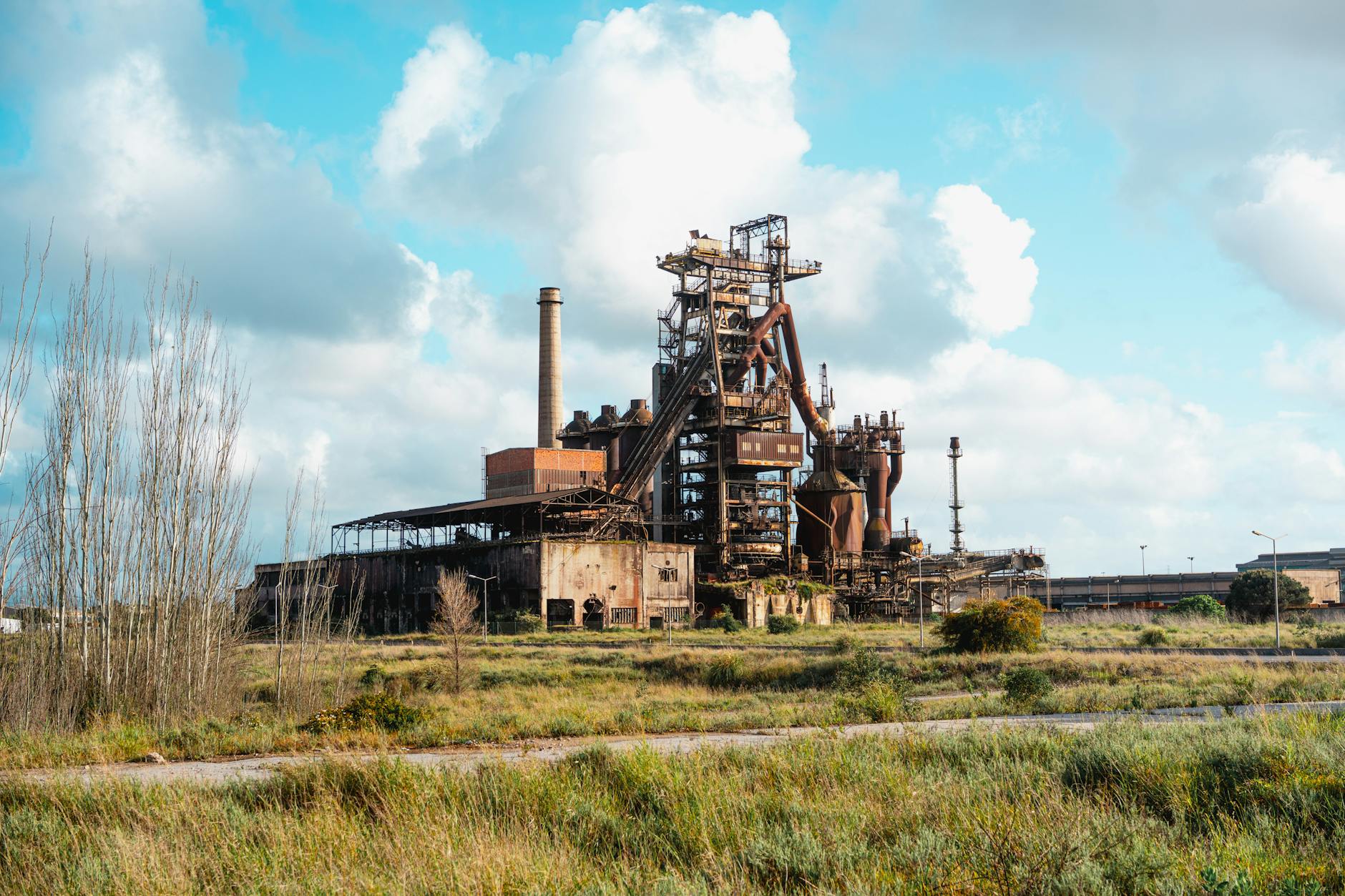
The Cleveland-Cliffs Cleveland steel operation spent more than a century as one of the Midwest’s largest integrated steelmaking complexes, running along the Cuyahoga River corridor and the Lake Erie shoreline. At peak production, these interconnected operations employed tens of thousands of tradespeople, maintenance workers, production employees, and contractors across multiple generations.
Corporate Predecessors: Your Employer’s Legal Identity Matters
Cleveland-Cliffs Inc., headquartered in Cleveland, Ohio, ranks today among North America’s largest flat-rolled steel producers. Its history in the Cleveland area runs through several predecessor companies that operated the same facilities under different names:
- Republic Steel Corporation — ran major Cleveland facilities; one of the nation’s “Big Three” independent steelmakers through much of the twentieth century
- LTV Steel — absorbed Republic Steel and Jones & Laughlin Steel, operating the former Republic facilities through the 1980s and 1990s
- AK Steel (formerly Armco Steel) — merged with Cleveland-Cliffs in 2020
- ArcelorMittal USA — Cleveland flat-rolled operations acquired by Cleveland-Cliffs in 2020
This layered corporate genealogy directly affects litigation strategy. Workers who labored at these facilities under earlier corporate names — Republic Steel employees in the 1950s, LTV workers in the 1980s, AK Steel production hands in the 2000s — may hold legal rights that trace through successor corporate relationships. An experienced toxic tort attorney familiar with successor liability can identify which entities remain reachable in an asbestos lawsuit today.
The Physical Infrastructure: Where Asbestos-Containing Materials Were Reportedly Present
The Cleveland facilities historically included:
- Blast furnaces for iron production from iron ore pellets
- Basic oxygen furnaces (BOF) and electric arc furnaces for steel conversion
- Coke ovens historically associated with multiple toxic exposures
- Hot strip mills and cold rolling operations
- Pickling and finishing lines
- Power plants and boiler houses generating steam and electricity for the complex
- Maintenance shops — pipe shops, insulation shops, electrical shops, millwright shops
- Laboratories and administrative buildings associated with the production complex
These facilities covered hundreds of acres. The volume of heat-generating equipment, high-temperature piping, refractory linings, and mechanical systems requiring insulation was immense. That scale drove decades of widespread asbestos-containing material use throughout every section of the plant.
Why Asbestos-Containing Materials Dominated Steel Mill Operations
The Engineering Problem: Managing Extreme Heat
Steelmaking runs at sustained, extreme temperatures:
- Blast furnace temperatures: routinely above 3,000°F
- Basic oxygen furnace temperatures: above 3,500°F
- Molten steel flow temperatures: 2,800°F or higher
No industrial operation managing heat at this scale could function without thermal insulation, refractory materials, and fire-resistant products. Through most of the twentieth century, manufacturers marketed asbestos-containing materials as the standard solution for these demands — and employers bought them by the truckload.
Why Manufacturers and Employers Chose Asbestos-Containing Products
Thermal Insulation: Chrysotile (white asbestos), amosite (brown asbestos), and crocidolite (blue asbestos) resist heat that destroys most organic materials. Asbestos-containing pipe insulation products — Johns-Manville’s Kaylo and Thermobestos, Owens-Illinois’s Aircell, Armstrong World Industries thermal insulation systems — withstood the sustained temperatures present throughout a steel facility’s piping and equipment.
Fire Resistance: Asbestos-containing materials were applied as fire barriers to protect structural steel, electrical conduit, and equipment from radiant heat during molten metal pours, ladle transfers, and furnace operations. Sprayed fireproofing products such as W.R. Grace’s Monokote and similar formulations were reportedly applied to structural members throughout these facilities.
Mechanical Durability: Asbestos fibers bonded well with cement, calcium silicate, and other binders, producing insulation that withstood vibration, pressure changes, and the physical punishment of heavy industrial use.
Chemical Resistance: Asbestos-containing gaskets and packing materials from Garlock Sealing Technologies resisted degradation from steam, acids, and corrosive agents throughout a steel mill’s piping and processing systems.
Cost and Availability: Through the mid-twentieth century, asbestos-containing materials were cheap, widely distributed, and actively promoted by manufacturers including Johns-Manville, Owens-Illinois, and Eagle-Picher. Internal corporate documents produced in litigation have revealed that these manufacturers knew about the health hazards of their products decades before that knowledge reached the workers handling them every day.
The Result: Asbestos-Containing Materials Throughout the Entire Facility
Asbestos-containing materials were reportedly built into virtually every system in these steel mill facilities:
- Steam line, boiler, turbine, and hot blast stove insulation, reportedly including Johns-Manville’s Kaylo and Owens-Illinois’s Aircell
- Furnace refractory linings, including Crane Co. refractory products
- Gaskets and valve packing from Garlock Sealing Technologies
- Flooring, ceiling tiles, and fire doors, including products from Armstrong World Industries and Georgia-Pacific
- Sprayed-on structural steel fireproofing, reportedly including W.R. Grace’s Monokote formulations
Timeline of Asbestos-Containing Material Presence at Cleveland Facilities
Pre-1940s Through World War II
Asbestos-containing materials from Johns-Manville, Owens-Illinois, and other manufacturers were reportedly present in Cleveland-area steel facility boiler insulation, pipe covering, and furnace refractory systems well before World War II. Wartime production demands accelerated construction and renovation across these facilities. Those projects are alleged to have involved intensive use of asbestos-containing insulation products — including Kaylo, Thermobestos, and Aircell — to meet expanded output quotas.
1945–1970: Peak Usage Period
Occupational health researchers widely identify the postwar decades as the period of most intensive asbestos-containing material use in American industrial facilities. Cleveland steel operations fit that pattern. Workers who entered the industry during these years — whether as apprentice insulators, young boilermakers, or entry-level laborers — may have encountered asbestos-containing materials from Johns-Manville, Owens-Illinois, Garlock Sealing Technologies, Armstrong World Industries, and W.R. Grace on virtually every assignment involving hot systems, maintenance work, or construction.
During this period, asbestos-containing materials were reportedly:
- Applied, removed, and replaced during routine maintenance using Johns-Manville’s Kaylo and Thermobestos pipe insulation
- Left to degrade in place before being torn out as insulation aged
- Removed during furnace refractory reconstructions involving Crane Co. and similar products
- Handled during boiler inspections, repairs, and re-insulation work
- Disturbed during demolition and renovation projects across the facility
Each of these activities reportedly generated airborne asbestos fiber concentrations that industrial hygiene research has since confirmed as highly hazardous.
1970–1990: Regulatory Awareness and Ongoing Exposure Risks
OSHA established its first general industry asbestos standard in 1971. The permissible exposure limits set at that time were still far above levels now understood to cause disease, but the standard marked official regulatory acknowledgment of a documented occupational health crisis.
Despite that regulatory attention, asbestos-containing materials reportedly remained present throughout Cleveland steel facilities during this period:
- Pipe insulation systems installed in earlier decades — including products from Johns-Manville, Owens-Illinois, and Garlock Sealing Technologies — continued to deteriorate and release fibers
- Renovation and demolition projects reportedly disturbed established asbestos-containing materials
- Certain product categories — Garlock Sealing Technologies gaskets and packing materials, Crane Co. refractory products — reportedly continued in active maintenance operations
Workers who performed maintenance, repair, and overhaul activities during this period, particularly in older plant sections where asbestos-containing pipe insulation and fireproofing remained in place, may have been exposed to asbestos fibers in the course of that work.
1990–Present: Abatement, Renovation, and Residual Exposure
As federal regulations tightened through the 1990s, AHERA and NESHAP regulations required notification and proper handling of asbestos-containing materials during renovation and demolition. Formal abatement projects were reportedly conducted to remove or encapsulate identified asbestos-containing materials from Johns-Manville, Owens-Illinois, W.R. Grace, and other manufacturers (documented in NESHAP abatement records for affected facilities).
Abatement itself generates fiber release when not properly controlled. Workers present during renovation or demolition of older plant sections may have been exposed to disturbed asbestos-containing materials even during this more recent period.
Which Trades and Workers May Have Been Exposed
Asbestos exposure in steel mills was not confined to one job classification or work area. Because asbestos-containing materials were reportedly built into the physical infrastructure throughout the facility, workers across many trades and job categories may have been exposed.
High-Risk Occupational Groups at Cleveland Steel Facilities
Insulators (Asbestos Workers / Thermal Insulation Workers)
Insulators faced the most direct and intensive contact with asbestos-containing materials of any trade in the steel mill environment. Their work included:
- Applying, removing, and replacing asbestos-containing pipe insulation products including Johns-Manville’s Kaylo and Thermobestos, Owens-Illinois’s Aircell, and Armstrong World Industries products
- Handling asbestos-containing block insulation and asbestos blankets
- Cutting, shaping, and fitting insulation to pipe sizes, valve configurations, and equipment contours
- Mixing asbestos-containing finishing cements
- Sanding and finishing installed insulation surfaces
Insulation work generated clouds of fine asbestos dust. Insulators working in steel mill environments may have encountered chrysotile, amosite, and crocidolite fibers depending on which products were present at their specific work location.
Pipefitters, Steamfitters, and Plumbers
Pipefitters and steamfitters maintained and repaired the complex steam, water, and process piping systems throughout the steel facility. Even when pipefitters were not directly applying or removing insulation themselves, they worked alongside insulators and routinely disturbed installed asbestos-containing pipe covering during flange work, valve replacements, and system modifications. Every time a pipefitter cut into an insulated line, broke open an insulated flange, or worked in a confined space alongside insulation removal, fiber release was occurring in their immediate breathing zone.
Boilermakers
Boilermakers built, repaired, and maintained the boilers, pressure vessels
For informational purposes only. Not legal advice. No attorney-client relationship is created by reading this page. © 2026 Rights Watch Media Group LLC — Disclaimer · Privacy · Terms · Copyright